

A well-stocked pantry is more than a collection of ingredients. It’s a shortcut to flavour, a cultural archive, and often a reflection of how food is cooked and shared at home. In Middle Eastern kitchens, the pantry plays a particularly central role. With just a handful of staples, you can build dishes that are bold, comforting, and deeply rooted in tradition.
At the foundation is olive oil. Not just any olive oil, but the kind that’s grassy, peppery, and unapologetically present. In Palestinian households, olive oil is not a finishing touch—it’s an ingredient in its own right, poured generously over hummus, labneh, lentils, vegetables, and bread.
Next comes za’atar, a fragrant blend of wild thyme, sesame seeds, and sumac. Earthy, tangy, and aromatic, za’atar is as versatile as it is essential. Mixed with olive oil, it becomes a dip for bread. Sprinkled over eggs, chicken, or vegetables, it transforms the everyday into something distinctly Levantine.
Tahini is another non-negotiable. Made from ground sesame seeds, tahini forms the backbone of hummus, dressings, sauces, and desserts. Its bitterness, when balanced correctly with lemon and garlic, adds depth that’s hard to replicate with anything else.
Then there’s sumac, the deep red spice that delivers acidity without liquid. Bright and citrusy, it’s often used where lemon might be too sharp or overpowering. Think salads, grilled meats, roasted vegetables, or scattered over onions for crunch and contrast.
No Middle Eastern pantry is complete without spice blends like baharat or seven-spice. These warm, aromatic mixes—typically featuring allspice, cinnamon, cloves, and black pepper—bring complexity to stews, rice dishes, and marinades with minimal effort.
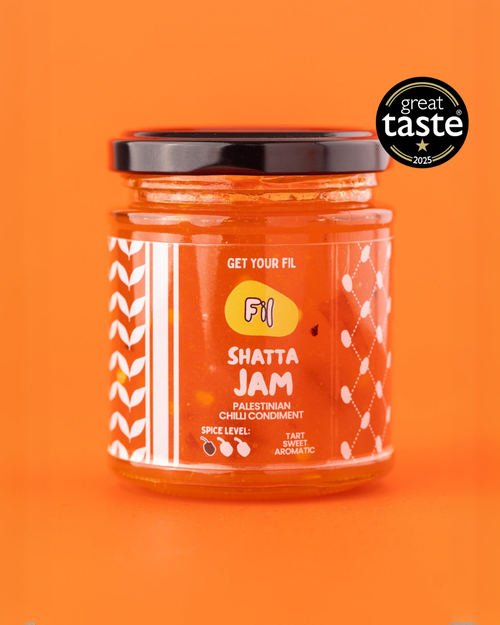
And finally, Shatta. Fresh, fiery, and deeply personal, Shatta is the condiment that ties everything together. Whether fermented or cooked, smooth or chunky, it’s used sparingly or generously depending on the household—but it’s always within reach
Building a Middle Eastern pantry isn’t about mastering complicated recipes. It’s about having the right ingredients on hand, trusting your palate, and letting flavour do the heavy lifting. Once these essentials are in place, everything else becomes instinctive.
0 comments