

The future of food isn’t being shaped solely by large corporations and mass production. Increasingly, it’s being driven by small-batch, artisan brands that prioritise flavour, transparency, and connection over scale.
Artisan food producers operate differently. Small batch production allows for greater control over ingredients, sourcing, and process. It leaves room for fermentation, experimentation, and seasonal variation—things that don’t fit neatly into industrial timelines but make a tangible difference to taste.
There’s also a growing demand for a story. Consumers want to know where their food comes from, who makes it, and why it exists. Artisan brands are often deeply personal, born from cultural heritage, family recipes, or a desire to preserve something meaningful. That context adds value that can’t be replicated by anonymous products on a shelf.
Sustainability plays a role too. Smaller producers are more likely to source responsibly, waste less, and build direct relationships with suppliers. While small batch doesn’t automatically mean ethical, it allows for accountability in ways that large-scale systems struggle to maintain.
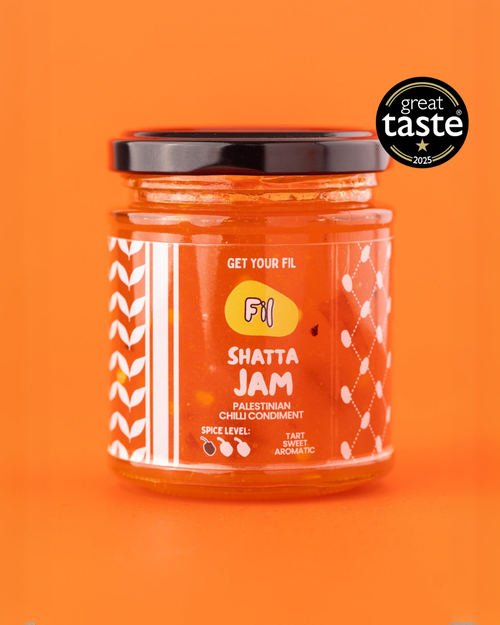
Importantly, artisan brands are redefining what “everyday” food looks like. Condiments like Shatta, once confined to specific cultures or households, are finding new audiences without losing their identity. This isn’t about dilution—it’s about expansion with integrity.
Big impact doesn’t always come from big operations. Sometimes, it comes from a single jar, made carefully, with intention, and shared widely. That’s where the future of food is heading—one small batch at a time.
0 comments